




The No-Nonsense Beginner's Guide to Sustainable Living in India
You do not need to spend more, buy imported products, or overhaul your life. Here is exactly how to start — one habit at a time — and save ₹12,000+ per year doing it.
India generates over 62 million tonnes of solid waste every year. The average urban Indian produces 0.7 kg of waste daily — four times more than two decades ago. Roughly 60 percent of single-use plastic waste comes from households, not factories.
These numbers feel overwhelming. But here is the thing most sustainability content will not tell you: you do not need to change everything at once. In fact, trying to do so is the number one reason people quit within weeks.
This guide is designed for the Indian household that wants to start — practically, affordably, and without guilt.
The 5 Biggest Mistakes Beginners Make
Before we get to what works, here is what does not:
1. The Big Bang Approach
Throwing out all your plastic containers on Day 1 creates more waste, not less. Finish what you have, then replace with sustainable alternatives as things wear out.
2. Assuming Sustainable = Expensive
A steel water bottle costs ₹250 once. Bottled water costs ₹600 per month. The maths is not complicated — sustainability often saves money.
3. Ignoring Local for Imported
A bamboo toothbrush shipped from Europe has a larger carbon footprint than one made in Uttarakhand. Always look for Indian-made alternatives first.
4. Skipping Waste Segregation
Buying organic products means little if everything ends up in the same garbage bag. Segregation is the single most impactful habit change you can make at home.
5. Guilt-Driven Perfectionism
You will forget your cloth bag sometimes. You will buy packaged food when time is short. That is normal. Sustainability is a direction, not a destination.
The 30-Day Starter Framework
Instead of overhauling your life, follow this week-by-week progression:
Week 1: The Audit
Spend one week simply observing. How many plastic bags enter your home? How much food gets wasted? Which products do you buy most frequently? Write it down — awareness creates momentum.
Week 2: The First Swap
Pick your single highest-impact item from the audit. For most Indian households, this is plastic carry bags. One reusable cotton bag, used daily, eliminates 365 plastic bags per year. That is 2.2 kg of plastic from one habit.
Week 3: Waste Segregation
Get two bins — wet (kitchen scraps, food waste) and dry (paper, plastic, glass, metal). This one action makes everything downstream possible: composting, recycling, responsible disposal. Only 30 percent of Indian urban waste is properly segregated. Be in that 30 percent.
Week 4: The Kitchen Shift
Replace one kitchen consumable with a reusable alternative:
- Cling film → Cotton food wrap
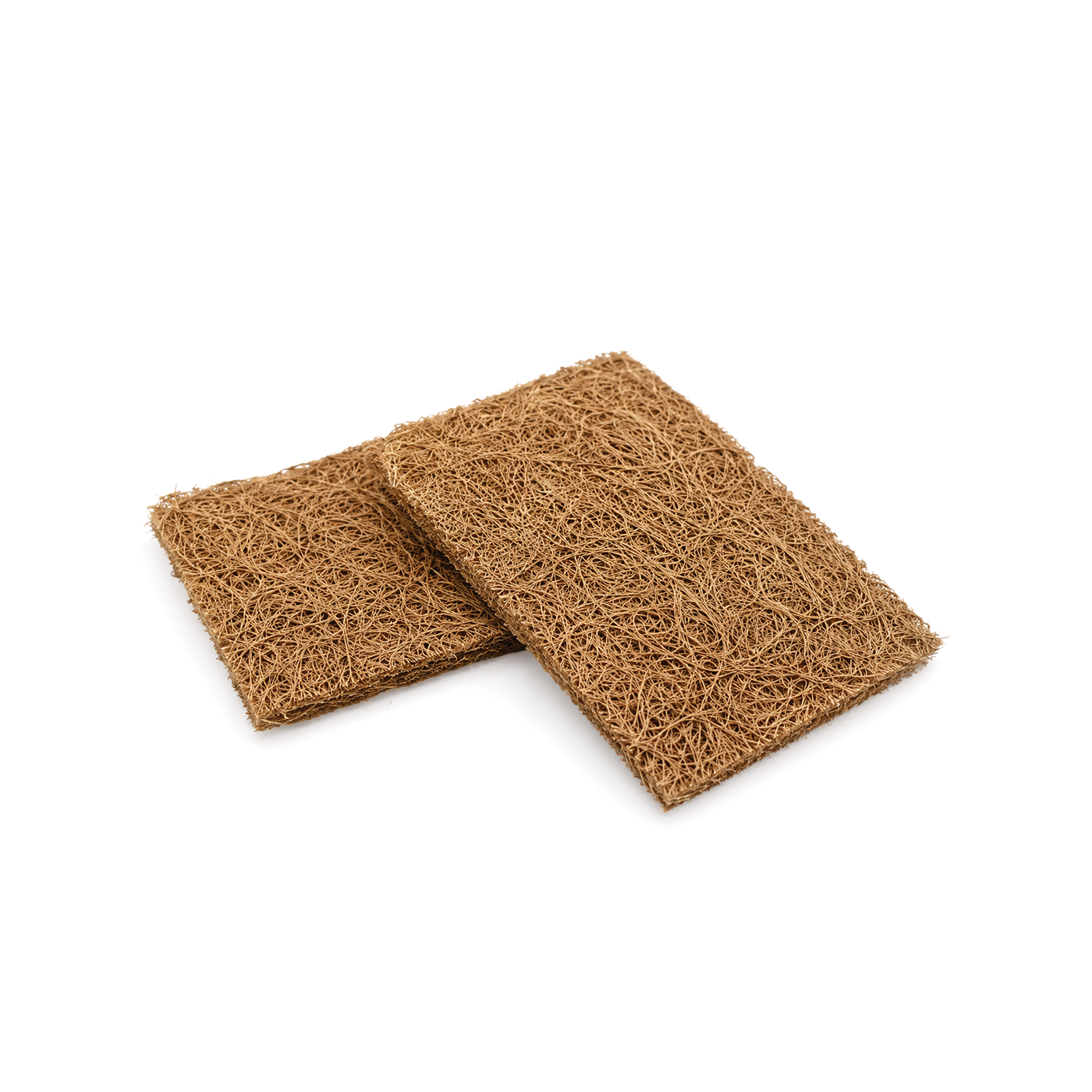
- Plastic scrubber → Coconut coir pad
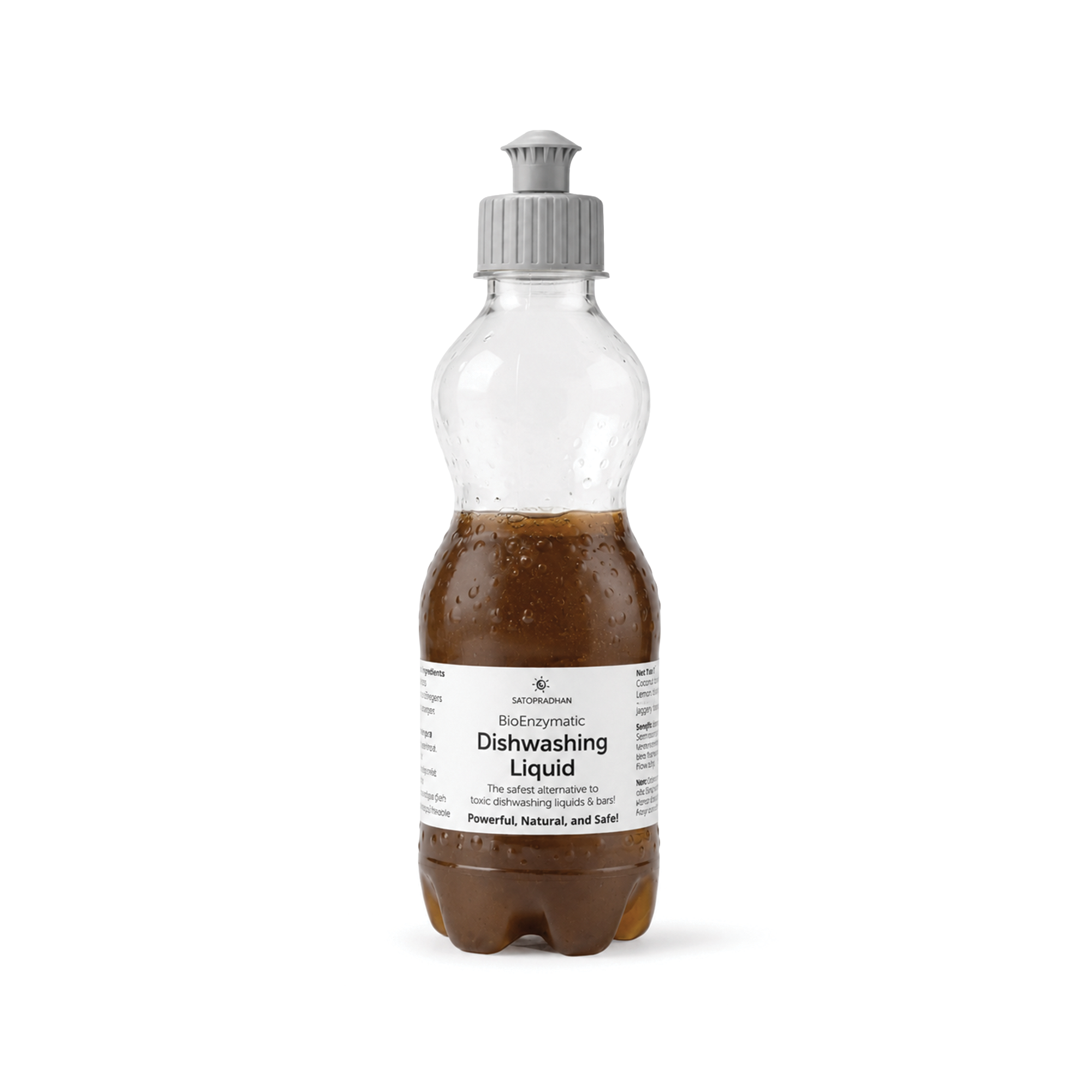
- Bottled dishwash → Refillable bio enzyme liquid
By the end of the month, you have changed four habits. That is more than most people change in a year.
The Real Cost of Sustainable Living
The biggest barrier for Indian households is the perception that eco-friendly means expensive. Here is what the numbers actually show:
| Category | Conventional (Monthly) | Sustainable (Monthly) | Annual Savings |
|---|---|---|---|
| Bottled water | ₹600 | ₹50 (filter maintenance) | ₹6,600 |
| Plastic bags | ₹80 | ₹10 (cloth bag wear) | ₹840 |
| Paper napkins | ₹150 | ₹20 (cloth washing) | ₹1,560 |
| Plastic scrubbers | ₹60 | ₹40 (coir pads) | ₹240 |
| Packaged cleaners | ₹350 | ₹150 (bulk/refill) | ₹2,400 |
| Total | ₹1,240 | ₹270 | ₹11,640 |
Sustainable living does not cost more. In most cases, it costs significantly less — because you are buying fewer disposable items and investing in things that last.
What Actually Works: 7 Habits That Stick
Based on what we see working across Indian households, here are the habits with the highest stick rate:
1. The Door Hook Rule
Hang your reusable bag on the same hook as your house keys. You will never forget it.
2. The Sunday Prep
Spend 10 minutes every Sunday filling your refillable bottles, checking your cloth bag stash, and putting your steel container in your office bag. Preparation eliminates decision fatigue.
3. The Sabzi Mandi Routine
Carry your own bags to the vegetable market. Buy loose produce. Avoid pre-packaged fruits and vegetables. This single habit eliminates 8 to 10 plastic bags per week.
4. The Two-Bin System
Wet waste in one bin, dry waste in another. If you do nothing else on this list, do this. It takes 30 seconds per day and enables everything else.
5. The Finish-First Rule
Before buying any sustainable alternative, finish your current product. This prevents waste, spreads cost over time, and makes each swap intentional.
6. The Local-First Filter
Before buying any eco product online, check if a local kirana store, cooperative, or zero-waste shop carries it. You save shipping packaging and support local businesses.
7. The Family Challenge
Make it a household activity. Track plastic-free days on a calendar. Celebrate small wins. Behaviour change works better when it is shared.
Cities Leading the Way
If you need inspiration, look at what Indian cities are already achieving:
- Indore — India's cleanest city for seven consecutive years, with near-100% waste segregation and door-to-door collection.
- Panaji — Zero waste to landfill through decentralized composting and citizen participation.
- Surat — Converting waste to energy and achieving over 95% collection coverage.
- Thiruvananthapuram — Haritha Karma Sena (Green Task Force) employing local women for ward-level waste management.
If entire cities can shift, one household certainly can.
Your Starting Point
You do not need to read ten more articles or buy a zero-waste kit to begin. You need exactly one action:
Pick one swap. Do it tomorrow. Repeat it for 30 days.
That is how sustainable living starts — not with a revolution, but with a routine.
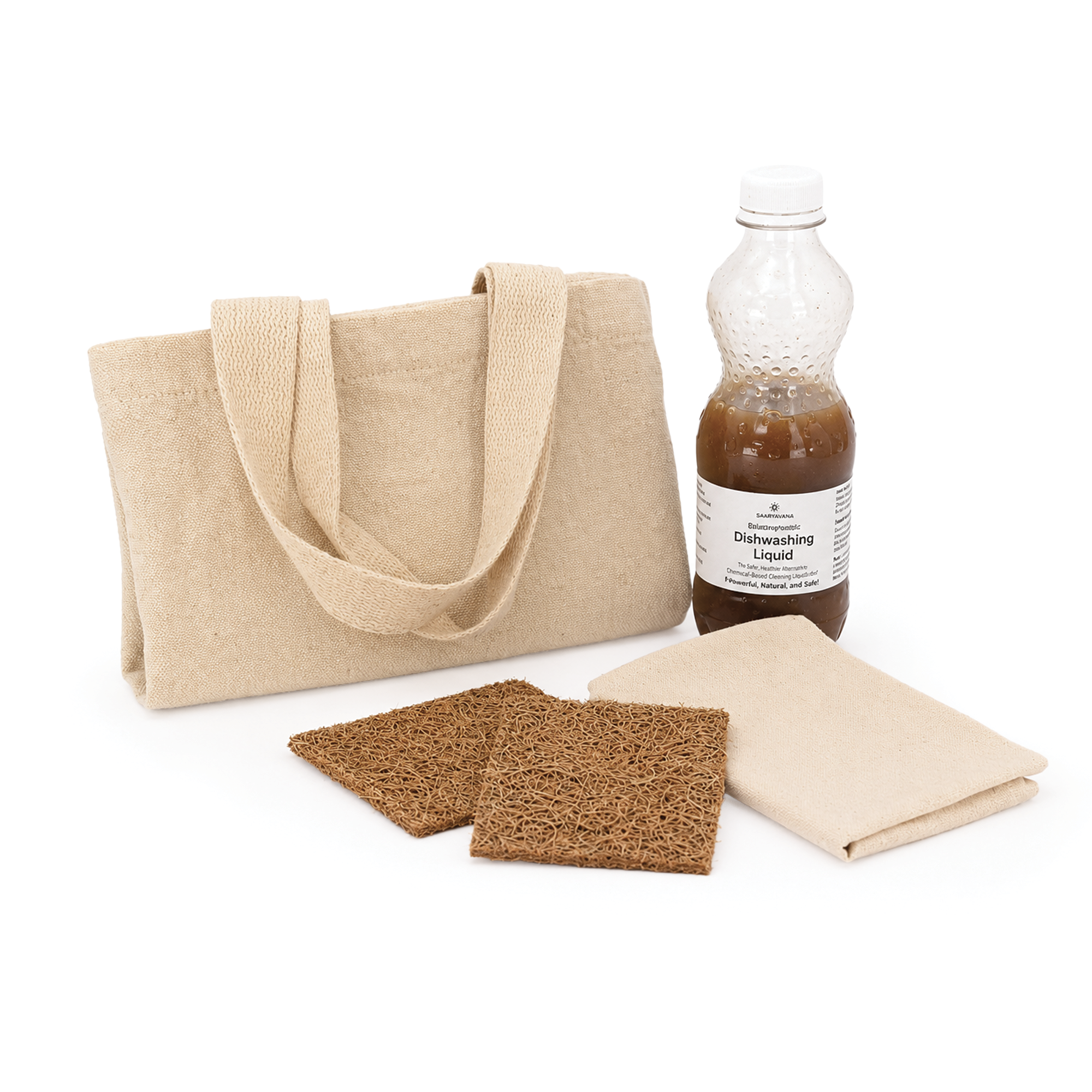
If you want all the essentials in one box to kickstart your kitchen sustainability journey, the Swachh Living Kitchen Starter Kit gives you five verified products that replace 453 plastic items per year. One box, five swaps, zero research required.
The Bigger Picture
India is projected to generate 165 million tonnes of waste annually by 2030. Only half of what we generate today is properly treated. The informal waste sector — the kabadiwalas, rag-pickers, and recycling cooperatives — handles more recycling than any corporate programme.
Sustainable living is not about individual guilt. It is about shifting demand. When enough households refuse single-use plastic, brands respond. When enough families segregate waste, municipalities invest in processing infrastructure. Your kitchen bin is a vote.
Use it well.
Ready for your next step? Read our guide on 5 Kitchen Swaps That Save 3 Kg of Plastic Every Year for specific product recommendations, or follow Swachh Living on Instagram for daily sustainability tips tailored to Indian homes.